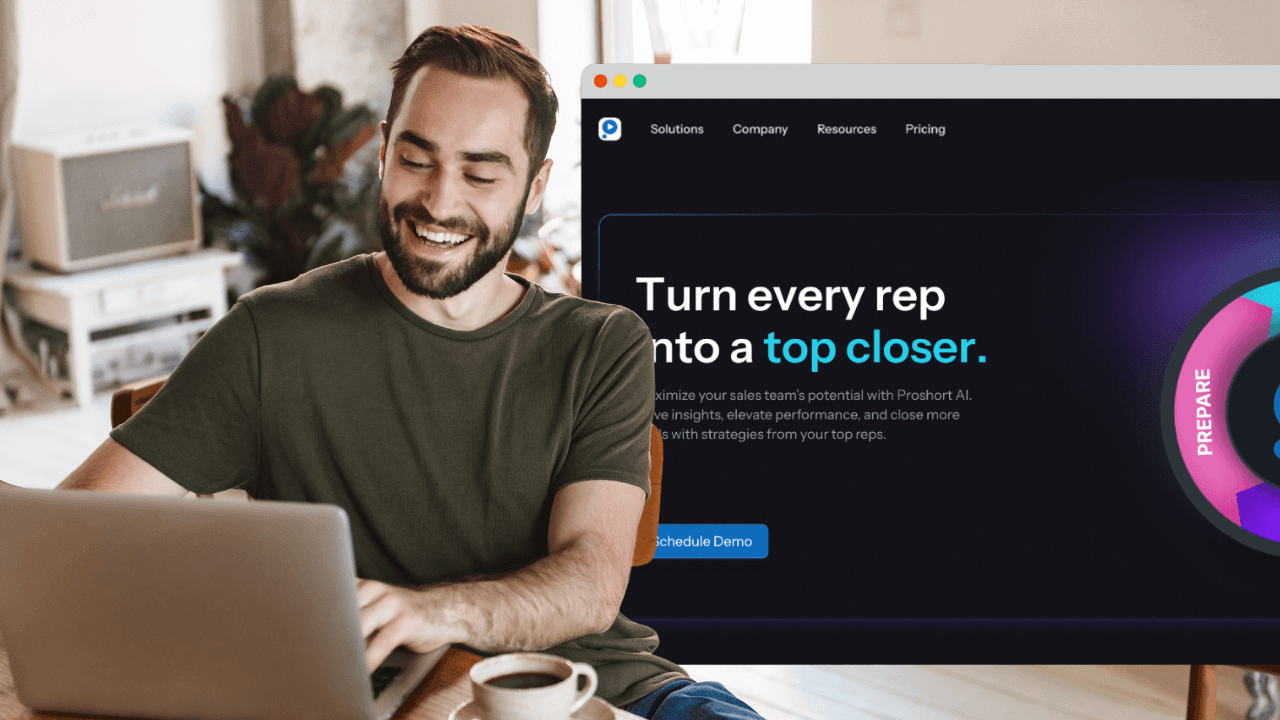
Modern sales have changed dramatically over the last decade. Buyers are more informed, competition is intense, and sales cycles are increasingly complex. Despite these changes, one critical element of sales success has remained constant: effective coaching.
Yet most sales teams struggle to coach their reps consistently. Sales managers are busy managing pipelines, forecasts, hiring, and reporting. Coaching often becomes reactive rather than proactive, leaving many reps without the guidance they need to improve.
This is where AI coaching software for sales reps is changing the game.
Artificial intelligence is transforming the way sales teams learn, practice, and improve. Instead of relying solely on manual call reviews and occasional feedback, AI-powered tools can analyze thousands of sales interactions, identify patterns, and provide real-time coaching insights.
The result is a new model of sales coaching—one that is scalable, data-driven, and personalized for every rep.
In this comprehensive guide, we will explore how AI coaching software works, the problems it solves, the key features to look for, and how it can help sales teams dramatically improve performance.
The Sales Coaching Problem Most Teams Face
Sales coaching is widely recognized as one of the most powerful drivers of sales performance. Research consistently shows that organizations with strong coaching cultures outperform those that lack structured coaching programs.
However, the reality inside most sales organizations looks very different.
Managers Lack Time to Coach
Sales managers often spend the majority of their time on operational tasks such as forecasting, pipeline reviews, internal meetings, and reporting. Coaching is frequently pushed to the bottom of the priority list.
When coaching does happen, it is often rushed or limited to occasional call reviews.
Coaching Is Inconsistent
In many organizations, coaching quality varies significantly from one manager to another. Some managers are excellent coaches, while others may struggle to provide structured feedback.
This inconsistency leads to uneven performance across the team.
Feedback Is Often Subjective
Traditional coaching often relies on personal observations rather than data. Managers may provide feedback based on their interpretation of a single call or meeting, which can lead to bias or incomplete analysis.
Without objective data, it becomes difficult to identify patterns and recurring issues.
Coaching Focuses on Underperformers
Another common problem is that coaching tends to focus primarily on struggling reps. High performers often receive less attention, even though they may have valuable behaviors worth replicating across the team.
Training Does Not Translate to Real Selling
Many companies invest heavily in sales training programs. However, once the training session ends, reps often struggle to apply those concepts in real conversations with buyers.
The gap between training and real-world selling remains a major challenge.
Sales Data Is Overwhelming
Modern sales teams generate massive amounts of data through calls, emails, meetings, CRM updates, and messaging platforms. While this data can provide valuable insights, manually analyzing it is nearly impossible.
Managers simply do not have the time to review every interaction.
This is exactly where AI coaching software for sales reps becomes valuable.
What Is AI Coaching Software for Sales Reps?
AI coaching software is a technology platform that uses artificial intelligence to analyze sales interactions and provide personalized coaching insights to sales representatives.
Instead of relying solely on human observation, AI systems evaluate large volumes of data to identify patterns, behaviors, and opportunities for improvement.
These tools typically analyze:
Sales calls
Video meetings
Email conversations
CRM activity
Messaging interactions
By examining these interactions, the software can identify what successful reps do differently and recommend improvements for others.
Conversation Intelligence
One of the core components of AI coaching software is conversation intelligence. This technology analyzes recorded sales conversations and extracts insights about communication patterns, buyer intent, and sales effectiveness.
For example, AI can detect:
Key topics discussed
Customer objections
Competitor mentions
Pricing discussions
Buying signals
This information helps managers understand how conversations evolve and where improvements can be made.
Behavioral Insights
AI systems can also identify behavioral patterns such as:
Talk-to-listen ratios
Question frequency
Interruption patterns
Engagement levels
These metrics provide valuable insights into how sales reps interact with buyers.
Skill Gap Detection
AI coaching tools can automatically detect skill gaps across the team. For example, if a rep frequently struggles with objection handling or discovery questions, the system can highlight those areas.
Managers can then provide targeted coaching to address these gaps.
Real-Time Guidance
Some AI coaching platforms provide real-time assistance during live calls. For example, the system might suggest relevant talking points, remind reps to ask discovery questions, or surface relevant case studies.
This real-time support helps reps stay aligned with best practices.
Post-Call Analysis
After each interaction, the AI platform can generate a detailed breakdown of the conversation. This includes key moments, highlights, risks, and coaching opportunities.
Reps can review these insights and continuously improve their approach.
Automated Feedback Loops
Perhaps the biggest advantage of AI coaching software is that it creates continuous feedback loops. Instead of waiting for a weekly coaching session, reps receive insights immediately after each interaction.
This accelerates learning and skill development.
How AI Coaching Software Actually Works
To understand the power of AI coaching software, it is helpful to look at the typical workflow behind these platforms.
Step 1: Capturing Sales Interactions
The first step is capturing sales interactions. Most AI coaching platforms integrate with tools such as:
Video conferencing platforms
Dialers
CRM systems
Email platforms
These integrations allow the system to automatically record and store interactions.
Step 2: Transcription and Processing
Once a conversation is captured, AI technology converts the audio into text through speech recognition.
This transcription becomes the foundation for further analysis.
Step 3: Natural Language Processing
Next, the system uses natural language processing (NLP) to analyze the text. NLP enables the AI to understand language, identify intent, and detect key topics.
For example, the system can identify:
Product discussions
Pricing questions
Competitor comparisons
Objections
Next steps
Step 4: Pattern Recognition
AI models then compare the conversation against large datasets of sales interactions. By identifying patterns, the system can determine what behaviors correlate with successful outcomes.
For instance, the AI might discover that top-performing reps ask more discovery questions early in the call.
Step 5: Coaching Recommendations
Based on these insights, the platform generates personalized coaching recommendations for each rep.
These recommendations may include:
Suggested questions to ask
Messaging improvements
Objection handling tips
Communication adjustments
Step 6: Continuous Learning
AI coaching systems improve over time as they analyze more data. The more interactions they process, the more accurate their insights become.
This continuous learning makes the coaching increasingly effective.
Key Features of AI Coaching Software
AI coaching platforms provide a wide range of capabilities designed to improve sales performance.
Below are some of the most valuable features.
Call Analysis
AI tools can automatically analyze sales calls to identify important moments and evaluate rep performance.
This includes analyzing tone, pacing, structure, and conversation flow.
Objection Detection
Objections are a natural part of the sales process. AI systems can automatically detect when objections occur and evaluate how effectively the rep handles them.
Managers can then review these moments and provide guidance.
Talk-to-Listen Ratio Tracking
Successful sales conversations often involve balanced dialogue. AI tools track how much time reps spend talking versus listening.
If a rep dominates the conversation, the system can recommend adjustments.
Buying Signal Detection
AI can identify subtle buying signals during conversations. These signals may include statements about budget, timelines, or decision-making processes.
Recognizing these signals helps reps move deals forward more effectively.
Skill Scoring
Many platforms provide skill scoring based on key competencies such as discovery, objection handling, and product knowledge.
This scoring allows managers to track progress over time.
Personalized Coaching
Instead of generic training, AI coaching software provides personalized recommendations tailored to each rep’s performance.
This individualized approach accelerates skill development.
Deal Risk Alerts
AI can also analyze deal conversations to identify potential risks. For example, if a buyer expresses uncertainty or delays decision timelines, the system can flag the deal for review.
Playbook Adherence Tracking
Sales organizations often develop playbooks that define best practices for messaging and positioning. AI coaching tools can evaluate whether reps follow these playbooks during conversations.
Real-Time Coaching Suggestions
Some platforms provide real-time prompts during calls. These prompts might include recommended questions, relevant case studies, or reminders about next steps.
This guidance helps reps stay aligned with best practices.
Benefits of AI Coaching for Sales Teams
AI coaching software provides significant benefits for both sales reps and managers.
Scalable Coaching
Traditional coaching requires managers to manually review calls and provide feedback. AI platforms automate much of this process, enabling coaching to scale across large teams.
Consistent Training
AI ensures that every rep receives consistent feedback based on the same criteria and standards.
Faster Ramp Time
New hires often require months to reach full productivity. AI coaching tools accelerate onboarding by providing continuous guidance and feedback.
Improved Win Rates
By identifying successful behaviors and replicating them across the team, AI coaching can significantly improve win rates.
Better Messaging
AI tools help refine messaging by analyzing which statements resonate most with buyers.
Data-Driven Coaching
Instead of relying on subjective observations, managers can use objective data to guide coaching conversations.
Reduced Manager Workload
Automation reduces the time managers spend reviewing calls, allowing them to focus on strategic coaching.
Increased Rep Confidence
Continuous feedback helps reps feel more confident and prepared during customer interactions.
AI Coaching vs Traditional Sales Coaching
Category | Traditional Coaching | AI Coaching |
Frequency | Occasional reviews | Continuous feedback |
Objectivity | Subjective feedback | Data-driven insights |
Coverage | Limited calls reviewed | Every interaction analyzed |
Personalization | Manager dependent | Personalized insights |
Speed | Delayed feedback | Instant analysis |
Scalability | Limited by the manager's capacity | Scales across teams |
This comparison highlights why many organizations are moving toward AI-powered coaching solutions.
Use Cases of AI Coaching in Modern Sales Teams
AI coaching tools support a variety of practical use cases.
Improving Discovery Calls
AI can evaluate whether reps ask enough discovery questions and whether they explore customer challenges deeply enough.
Objection Handling
When buyers raise concerns about pricing, competitors, or implementation, AI tools can analyze how reps respond and recommend improvements.
Deal Coaching
Managers can review AI-generated insights to identify risks and guide reps on how to move deals forward.
Messaging Optimization
AI platforms analyze which messaging approaches generate the strongest buyer engagement.
Competitive Intelligence
When competitors are mentioned in conversations, AI systems capture this information and highlight trends.
Manager Insights
Managers can identify common challenges across the team and address them through targeted training.
Rep Behavior Analysis
AI can identify behaviors that distinguish top performers from the rest of the team.
These insights allow organizations to replicate successful strategies.
How AI Coaching Improves Sales Rep Performance
AI coaching works because it aligns closely with how people learn and improve skills.
Continuous Feedback
Instead of waiting for periodic coaching sessions, reps receive feedback after every interaction.
This rapid feedback loop accelerates improvement.
Just-in-Time Learning
AI tools guide at the exact moment when reps need it. This makes learning more relevant and memorable.
Reinforcement Learning
When reps receive feedback consistently, they begin to internalize best practices over time.
Micro-Coaching
Small improvements applied repeatedly can lead to significant performance gains.
AI coaching focuses on these incremental improvements.
Behavioral Awareness
By highlighting specific behaviors, AI tools help reps become more aware of their communication style.
This awareness leads to more deliberate and effective conversations.
How to Choose the Right AI Coaching Software
Not all AI coaching platforms are created equal. Organizations should carefully evaluate potential solutions.
AI Accuracy
The effectiveness of the platform depends heavily on the accuracy of its AI analysis.
Conversation Intelligence Depth
Look for platforms that provide detailed insights into sales conversations rather than simple transcription.
CRM Integration
Seamless integration with CRM systems ensures that coaching insights align with pipeline data.
Coaching Automation
The best platforms automate feedback and recommendations.
Customization
Every organization has unique sales processes, so flexibility is important.
Analytics Capabilities
Strong analytics allow leaders to track trends and measure improvement.
Ease of Adoption
If the platform is difficult to use, adoption will suffer.
Data Security
Sales conversations often contain sensitive information, so security and compliance are essential.
The Future of AI Coaching in Sales
AI coaching technology is still evolving, and the future promises even more powerful capabilities.
AI Sales Copilots
Future platforms will act as real-time assistants that guide reps through conversations.
Predictive Deal Coaching
AI will predict deal outcomes and recommend specific actions to improve the chances of closing.
Autonomous Enablement
Training and coaching will become increasingly automated.
Real-Time Knowledge Access
Reps will be able to access relevant information instantly during conversations.
Hyper-Personalized Coaching
AI systems will tailor coaching recommendations based on each rep’s unique strengths and weaknesses.
Contextual Intelligence
Future systems will connect data across calls, emails, CRM records, and buyer interactions to provide deeper insights.
These advancements will fundamentally reshape sales organizations.
Conclusion
Sales coaching has always been one of the most important drivers of sales performance. However, traditional coaching methods struggle to keep up with the complexity and scale of modern sales environments.
AI coaching software for sales reps offers a powerful solution.
By analyzing thousands of sales interactions, identifying patterns, and delivering personalized insights, AI platforms make coaching more scalable, consistent, and effective.
Sales managers gain deeper visibility into team performance, while reps receive continuous feedback that helps them improve faster.
As artificial intelligence continues to evolve, the role of AI in sales coaching will only expand. Organizations that embrace these technologies early will gain a significant competitive advantage.
In the coming years, AI-powered coaching will likely become a standard component of modern sales enablement strategies. Teams that leverage it effectively will be better equipped to adapt, improve, and win in an increasingly competitive market.